Matte Board and Memory: The Gallery-Wall Case for Concert Paper
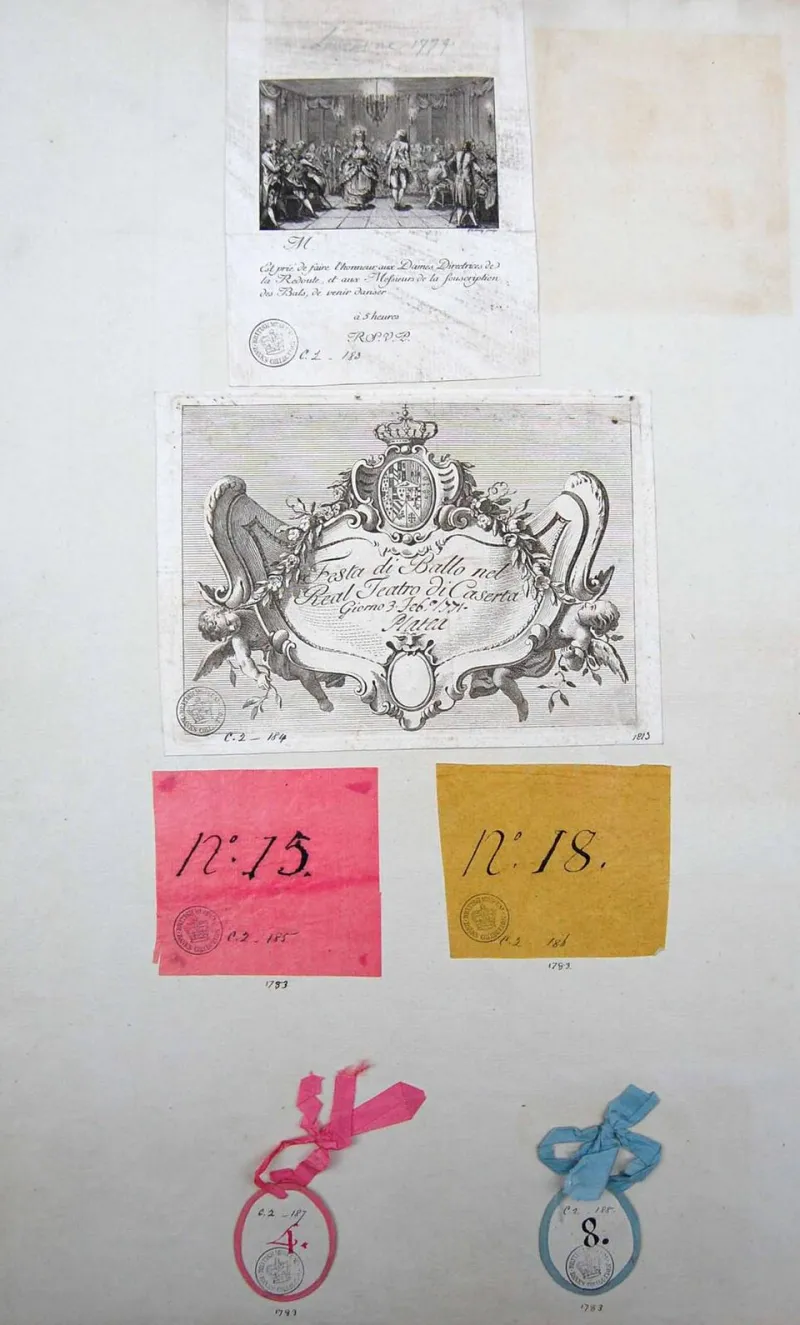
Photo: Print made by:Anonymous, Public domain, via Wikimedia Commons
There is a particular sound a setlist makes when it hits the floor after a show: soft, disposable, almost apologetic. For decades, that was the end of the story. The paper got folded into a pocket, smeared with sweat, and eventually lost between a phone charger and a takeout menu. In 2026, that same piece of paper is more likely to end up behind museum glass.
Walk into any fan's apartment and you'll see the shift. The poster tube is still there, sure, but the real estate above the desk has been renegotiated. A ticket stub from Madison Square Garden sits in a floating frame. A handwritten setlist — slightly creased, definitely real — gets a wide acid-free mat. The message is clear: this isn't clutter. This is a collection.
From the Shoebox to the Mat Counter
The concert paper economy has been building for a few years, but 2026 is the year it went mainstream. Frame shops in US cities now field requests for "concert paper" the way they once handled wedding invitations. Michaels and IKEA both report steady demand for shallow shadow boxes and gallery-style frames sized around standard ticket dimensions. The DIY set has turned framing into a weekend ritual: measure the stub, cut the mat, center the setlist, and argue about whether to leave the crimp visible.
That last detail matters more than it should. A pristine setlist can feel sterile. A crumpled one feels like proof. Fans are deliberately choosing the version with the fold line, the water ring, the corner bent from a pocket. The imperfection is the authentication. It says: I was there, and I didn't treat this like an investment.
The Crumple Is the Point
This is where concert paper separates itself from traditional memorabilia. Signed posters are designed to be admired. They arrive flat, numbered, and often already framed. Setlists are the opposite. They are working documents — printed at 4 p.m., taped to a stage floor, yanked off at 11:45. The paper carries the residue of the night: a little stage dust, a Sharpie smear, the ghost of a water bottle.
Fans are framing that residue on purpose. On TikTok and Instagram, the #setlistframe hashtag has become its own genre of home decor content. The aesthetic is less "museum wing" and more "careful obsession": thin black frames, wide white mats, a single ticket stub floating below a photograph of the crowd. Some people add a small brass plaque with the date and venue. Others keep it loose, pinned to a mood board with fairy lights. Both approaches send the same signal — this object was handled, not archived.
Artists Are Designing for the Frame
The artists have noticed. In 2026, it's not unusual for a tour to print physical tickets that look good enough to keep — foil stamps, custom illustrations, perforated edges that survive a night in a jacket pocket. Some artists now hand-write setlists with the knowledge that they'll be photographed, traded, and framed. The handwriting gets a little more deliberate. The paper stock gets a little heavier.
That's a quiet reversal. For years, the music industry pushed fans toward digital everything: mobile tickets, streaming setlists, QR codes. Paper was treated as friction. Now it's a feature. Limited physical tickets sell out faster than the digital option at some venues, and artists are releasing "keepsake" ticket bundles with sleeves designed to be displayed. The message from the stage is simple: if you're going to keep it, we'll make it worth keeping.
The DIY Aesthetic — and the Acid-Free Upgrade
The framing itself has split into two lanes. Lane one is pure DIY: Target frames, scrapbook paper, double-sided tape, and a willingness to redo it three times. Lane two is the upgrade: acid-free mats, UV-filtering glass, and a framer who knows the difference between "archival" and "expensive." Both lanes are valid. The DIY version feels like a zine. The archival version feels like a gallery. Most fans start in lane one and drift toward lane two after the first setlist starts to yellow.
That yellowing is a real concern. Concert paper is usually cheap thermal stock or basic printer paper, neither of which is built to last. Framers recommend keeping these pieces out of direct sunlight and using a mat that doesn't touch the paper directly. The irony is thick: the object that feels most precious is often the least durable. That's part of the appeal. Framing it is an act of rescue.
Why Paper Beats the Signed Poster
A signed poster is a transaction. A setlist is a witness. That's the emotional math fans are doing in 2026. The poster says an artist touched a pen. The setlist says an artist stood ten feet away and decided, in real time, what to play next. The ticket stub says you chose to be there. Together, they form a small paper biography of a night that would otherwise live only in a camera roll.
There's also a market reality. Signed posters have gotten expensive and, in some cases, impersonal. Concert paper is still affordable — often free if you're close enough to the stage, or a few dollars on the resale market. That accessibility keeps the culture fluid. A teenager with a $12 frame can build a wall that feels as intentional as a collector's. The hierarchy flattens. That's rare in fandom.
The Archive Economy
Resale platforms have caught on. Setlists from major tours now circulate on fan-to-fan marketplaces, often photographed flat on a hardwood floor with a ruler for scale. Prices vary wildly: a random opener's setlist might go for $15, while a handwritten list from a stadium headliner can climb into the hundreds. The market is still small enough to feel like a secret, but organized enough that you can search by venue and date.
That organization is changing how fans collect. People aren't just framing one piece anymore. They're building small archives: a stub from the first show, a setlist from the night they got barricade, a lyric sheet handed out at a listening party. The wall becomes a timeline. It's less about decorating and more about mapping.
What Gets Framed Next
If the pattern holds, the next wave of concert paper will get even more specific. Guitar picks are already being mounted in tiny frames. Wristbands are getting shadow-boxed. Merch bags with tour dates printed on them are being flattened and matted. The logic is the same: if it was there, it counts.
At AYABAMBI, we've watched enough micro-trends to know when something is a phase and when it's a permanent shift in how fans relate to objects. This feels permanent. The paper chase isn't about paper. It's about proof — a physical counterweight to a culture that mostly lives on screens. A crumpled setlist in a clean frame is a small, stubborn argument: this happened, I held it, and I'm keeping it.
So the next time you're at a show and a piece of paper drifts toward the barricade, don't just grab it and stuff it in your pocket. Smooth it out. Take a photo. And start thinking about mat sizes. The gallery wall is waiting.