The Fern With a 40-Screen Resume: Meet the Plant Stylistas Behind Pop's Greenest Eras
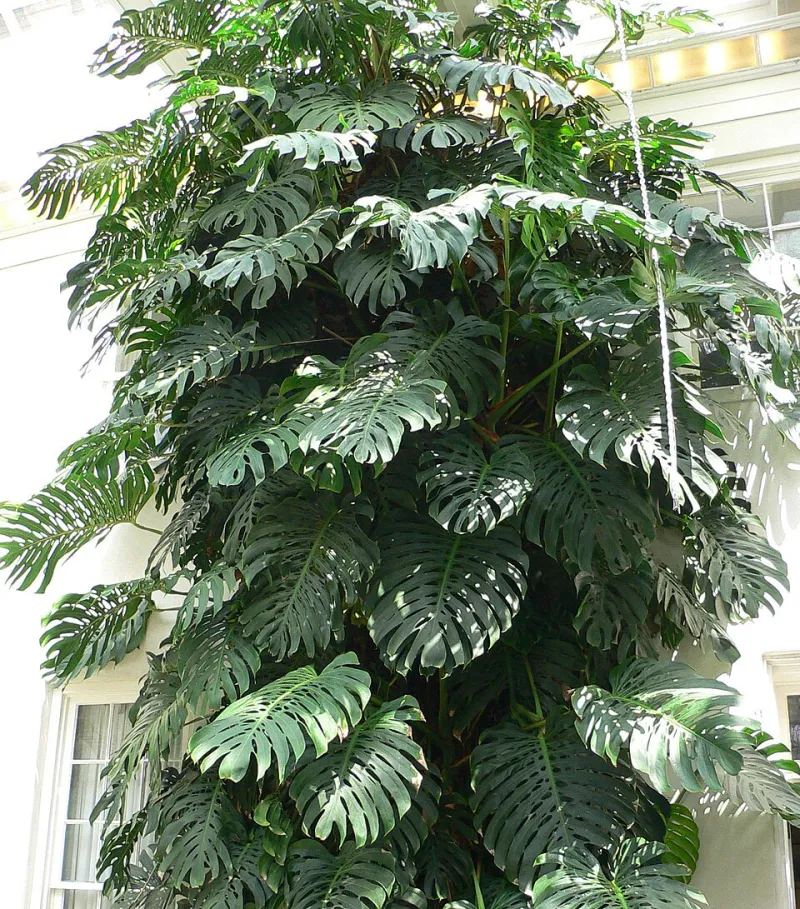
Photo: Unknown, CC BY-SA 3.0, via Wikimedia Commons
There's a moment in roughly half the music videos released this year: the camera glides through a doorway, and there it is — a monstera, split leaves catching the key light like it auditioned for the gig. It didn't stumble in there. Somebody put it on a truck at 5 a.m., hosed down its leaves, and angled it exactly 40 degrees off the window light. That somebody is a plant stylist, and pop's greenest era is quietly their doing.
The Greenery Casting Call
"People think we just grab stuff from a nursery," laughs a longtime LA set decorator who's dressed greenery for arena tours and late-night TV performances alike. "No. We're casting. That ficus is a background actor with a very specific job."
The job, usually: make a soundstage in Burbank feel like a jungle in Oaxaca, a grandmother's sunroom, or a dystopian greenhouse — sometimes all three in one shoot day. Plant stylists work from mood boards the way costume designers work from sketches, pulling from rental houses that stock everything from six-foot birds of paradise to moss you'd swear was real (it isn't).
And budgets? Less romantic than you'd think. A single hero plant — the one the artist brushes past in the chorus — can rent for hundreds of dollars a week. Fill a stage with two dozen of those and you're burning through what could've been a decent artist fee. Which is exactly why the fake-versus-real debate gets so heated.
Real Leaves, Fake Drama
Here's the politics nobody talks about on set: silk plants are cheaper, won't wilt under 2,000-watt lights, and won't drop a leaf mid-take. But real plants move. They breathe on camera in a way the eye clocks subconsciously.
"Under hot lights, a real fern shimmers," the stylist explains. "Faux ferns sit there like furniture. Directors notice. Artists notice. Everybody pretends they don't notice, and then we do a reshoot."
The compromise, on most pop shoots: real plants close to the camera, fakes filling the deep background, and a hot glue gun standing by for emergencies. One stylist admits to reattaching a monstera leaf seconds before a take — a leaf that has since been streamed to, by her estimate, over a billion views.
Why Every Era Suddenly Has a Signature Plant
The greenery boom tracks with a bigger aesthetic shift. After a decade of neon-and-grit, pop went soft: linen, warm film grain, sunlight through gauze. Plants are the fastest way to signal that vibe on a budget.
The monstera specifically became shorthand for "tasteful, slightly aspirational, Instagram-native interior" — the same reason it took over every coffee shop from Silver Lake to Williamsburg. Set designers noticed, artists noticed, and now it's practically a genre convention. The fiddle-leaf fig had its moment; the trailing pothos is the current indie-darling pick; and don't be surprised when the rubber plant stages a comeback.
From Set to Shelf to Sold Out
The ripple effect is real. When a chart-topping video features a wall of hanging string-of-pearls, nursery phone lines light up within days. Plant shops in LA and Brooklyn have learned to ask, "Is this for the video look?" before recommending anything.
The stylists, meanwhile, stay mostly anonymous — their names buried in credits nobody scrolls to. But next time a pop star sings in a sun-drenched room full of impossible greenery, know that a small crew of botanical wranglers spent the night before taping, misting, and praying those leaves held their angle.
The plant didn't audition. But it definitely got the part.