Six Legs, Full Look: How Bugs Crawled Past Flowers to Become Pop's Favorite Print
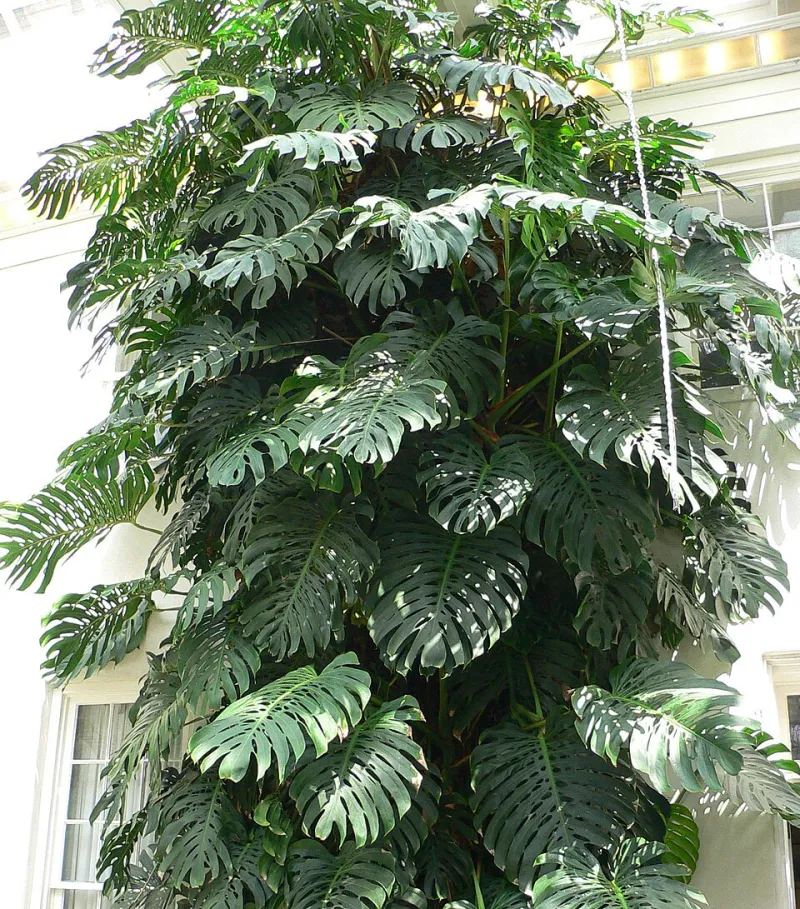
Every era has its signature bloom. We had the cherry blossom softness, the cottagecore daisies, the monstera leaves peeking out of every album flatlay. But if you've been paying attention to the red carpets, the festival grounds, and the front rows this year, you've noticed something with a few more legs showing up.
Insects are having a moment. A big one.
The Butterfly Was Only the Beginning
Let's be honest — the butterfly never really left. The '90s butterfly clip came back around 2020 and simply refused to exit the venue. But what started as a Y2K nostalgia play has mutated into something weirder, darker, and honestly more interesting.
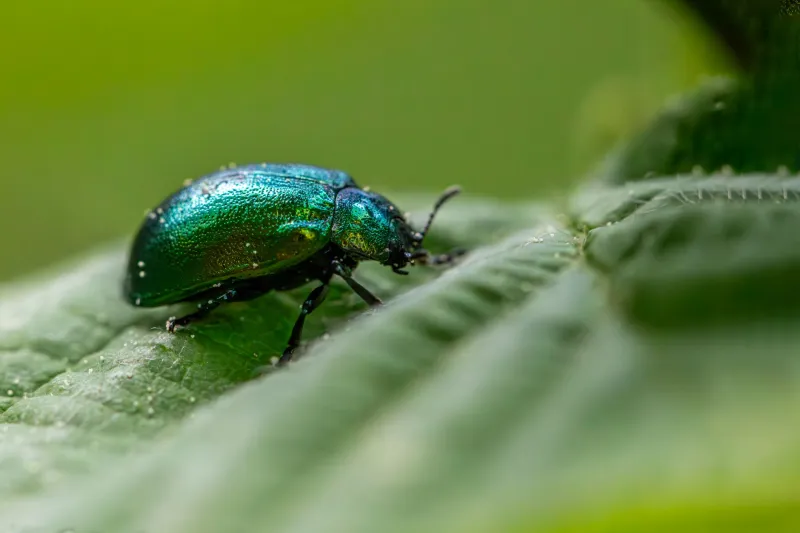
Moth-wing eyeliner — that smoky, feathered wing that fans out like a dusty lunar moth — started showing up on makeup artists' grids a couple of seasons ago. Then came the beetle-green iridescent fabrics on tour costumes. Then cicada earrings, dragonfly veils, scarab belts. The butterfly-to-beetle pipeline is real, and it's accelerating.
"Once you exhaust the pretty version of nature, you go for the strange version," says one LA-based costume designer who's dressed arena tours and asked to keep it vague for contract reasons. "A butterfly is a greeting card. A cicada is a statement."
Why Bugs? Why Now?
Trend forecasters have a few theories, and they mostly circle back to the same idea: botanical aesthetic fatigue.
Florals have been the default visual language of pop femininity for a decade. Peonies on the merch. Roses in the music video. When everything is a garden, artists start looking for something in the garden that bites.
There's also the transformation narrative. Butterflies mean metamorphosis — pop's favorite metaphor since forever. But moths, cicadas, and beetles carry a different charge. Cicadas spend seventeen years underground before emerging all at once, deafeningly loud. Sound familiar? Every artist who disappeared for a long album cycle and came back with a victory lap has basically lived the cicada lifecycle. Don't be surprised if that's the rollout metaphor of 2026.
And practically speaking? Bugs photograph incredibly. Iridescent shells catch stage lights in ways flat fabric never will. A beetle-green sequin gown under a follow spot looks like jewelry that grew a person.
Who's Already Wearing It
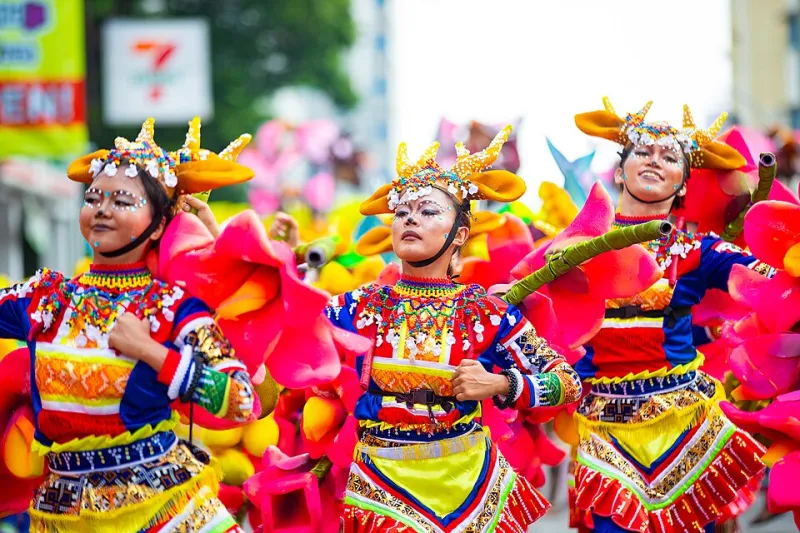
You've seen it whether you clocked it or not. The insect-jewelry revival on pop girls' necklines. The dragonfly appliqués scattered across festival wear at Coachella and Bonnaroo. Nail artists in Atlanta and LA building entire sets around moth wings and scarab beetles — the manicure has quietly become the most accessible entry point to the trend, which is exactly how these things spread.
Drag culture got there first, as it usually does. Bug motifs have floated through ballroom looks for years — think translucent wings, exoskeleton corsets, antennae headpieces — and pop's costume departments are always a season or two behind the club.
The Collector Angle
Here's where it gets fun for the fandom side: insect-inspired merch is naturally collectible. Victorian-era entomology — the pinned-specimen aesthetic, the illustrated field guides, the Latin names — gives designers a whole visual system to play with. A limited run of "specimen box" vinyl packaging or a moth-illustrated tour poster hits that same numbered-drop nerve fans already love.
Expect artists to lean into it. A bug-themed era practically writes its own lore: the chrysalis teaser campaign, the emergence single, the swarm of fan edits. Nature already built the narrative arc. Pop just has to wear it.
The Bloom After the Bloom
AYABAMBI has spent a lot of pixels on pop's plant obsession — the greenrooms, the florists, the botanical set design. Insects feel like the natural next chapter. A garden isn't just flowers; it's everything that lives in it, including the parts that make you flinch a little.
The prettiest trends always have a hint of danger. Flowers were the pretty part. The bugs are the part with teeth.
Keep an eye on your feed. The next era might have wings — and they might not be the kind you expect.