Petal-Core Is the Whole Aesthetic Now: Cherry Blossoms and the Art of the Soft Era

Photo: Jennifer Petrie , CC BY-SA 2.0, via Wikimedia Commons
Let's be honest with ourselves: at this point, half of pop's visual identity is just... petals. Pink petals, drifting in slow motion, over a close-up of a pop star blinking meaningfully at the camera. If you've watched a single music video, flipped through an album booklet, or scrolled a merch drop in the last three years, you've seen it. The cherry blossom owns pop culture, and honestly? She's earned it.
A Flower That Means Something
Here's why sakura works when other flowers don't: it's not really about beauty. It's about fleetingness. Cherry blossoms peak for roughly two weeks a year, then vanish — a built-in metaphor for youth, fame, a viral moment, an era, literally anything pop culture wants to make you feel nostalgic about in advance.
That's a devastatingly efficient piece of visual language. One image communicates: soft but powerful, beautiful but temporary, delicate but iconic. It's the whole main pop girl thesis in a single bloom.
And it travels. Cherry blossom imagery carries centuries of weight from Japanese hanami tradition — the practice of gathering under blooming trees to appreciate impermanence — and pop's visual designers have borrowed that emotional payload wholesale. When an artist poses under falling petals, they're not just looking pretty. They're tapping into a symbol that already knows how to make people feel things.
The Takeover Timeline
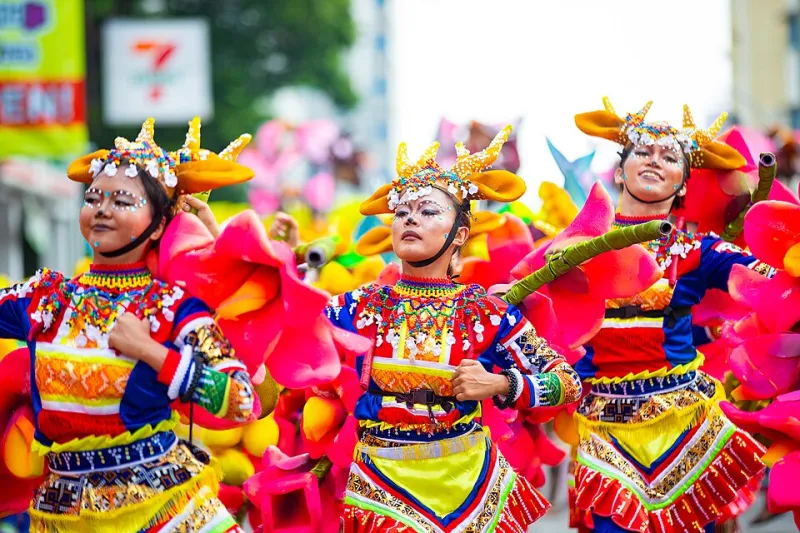
You can trace the petal-ification of pop pretty cleanly. K-pop made sakura aesthetics a core visual pillar long ago — spring comebacks timed to actual bloom season, choreography built around falling-petal effects, photo cards shot under real cherry trees in Seoul's Yeouido Park. The playbook worked so well that Western pop absorbed it fast.
Stateside, the aesthetic showed up everywhere: album covers drenched in blush tones, tour visuals with animated blossom storms, vinyl variants pressed in petal-pink marble. Even festival fashion got in on it — the flower crown got a sakura upgrade, and suddenly every Coachella fit check had a soft-pink floral accent.
Merch drops sealed the deal. Limited-edition cherry blossom collections became a reliable cash print, because fans understood the assignment: this is seasonal, which means scarce, which means buy it now. The transience that makes the flower poetic also makes it profitable. Poetic and profitable — that's the sweet spot every visual era is chasing.
Who Did It Best
Ranking petal eras is a bloodsport, but here's our honest take:
The K-pop spring comebacks remain the gold standard. When the bloom timing lines up with the release date and the whole visual package — styling, set design, choreo — commits to the concept, it's unbeatable. It's not decoration; it's a worldview.
The soft-pink album cover wave in Western pop deserves credit for making sakura tones shorthand for a specific kind of vulnerable-but-in-charge pop. You see that blush palette and you know exactly what emotional register you're in before the first note plays.
The live-moment petal drops — actual blossoms or confetti falling during a ballad's final chorus — are the aesthetic at its most theatrical. Cheap to execute, devastating in effect, and endlessly clipped for TikTok.
Why We're Not Tired of It Yet
Normally, when an aesthetic gets this popular, it curdles into cliché within eighteen months. Petal-core has dodged that, and we think it's because the symbolism keeps regenerating. Every spring, the flowers actually come back. Every new artist gets their own two weeks of bloom. The metaphor refreshes itself annually, free of charge.
For a site named after flowers, we'll admit a bias — but there's something genuinely lovely about pop culture settling on an image that's fundamentally about appreciating things while they last. Eras end. Blooms drop. The fans show up anyway, cameras out, hearts open.
Sakura season as a state of mind. Make it your whole personality. We certainly have.