The Wig Heard Round the Timeline: When Dance Floors Dictate the Beauty Aisle
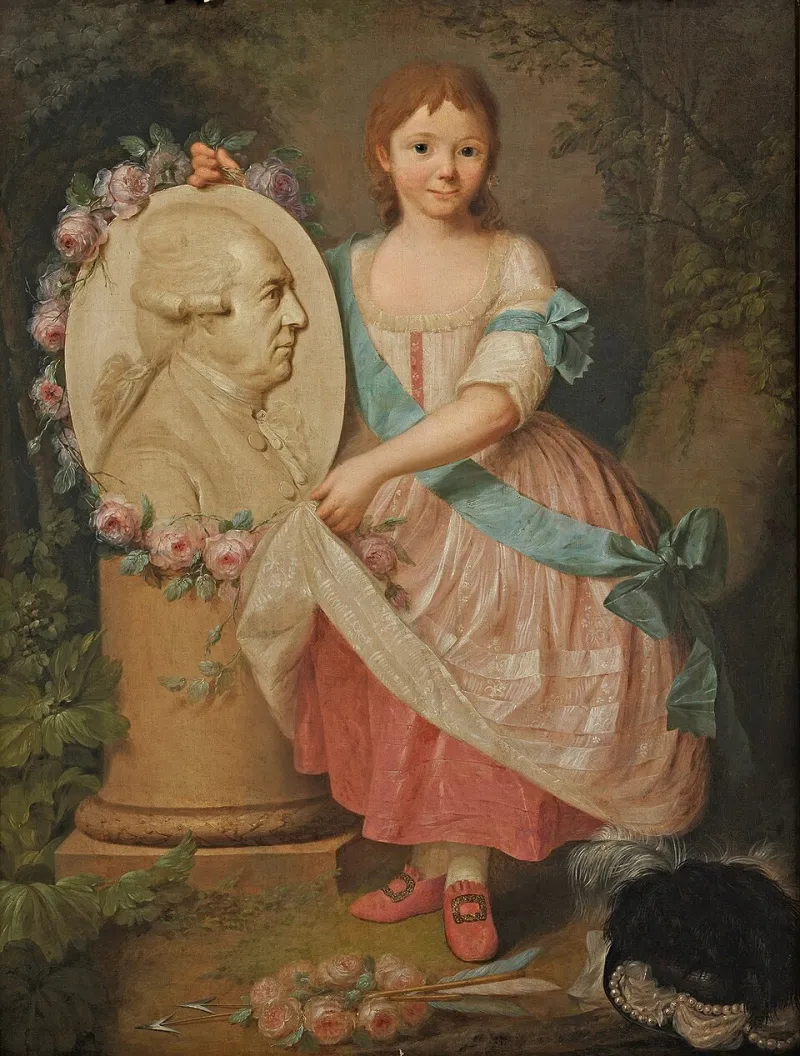
Photo: Unidentified painter, Public domain, via Wikimedia Commons
Once upon a time, beauty trends trickled down from runway shows in Paris and Milan, filtered through six months of magazine editorials, and eventually landed at your local drugstore in a slightly watered-down version. That pipeline is dead. Its replacement moves at the speed of a dance challenge.
Consider the current state of things: bold pastel wigs — bubblegum pink, lavender, that specific teal that dominated awards season — went from niche stage costume to Sephora staple in what felt like weeks. The catalyst wasn't a designer collection. It was choreography. A dancer duo hits a viral routine in matching pastel wigs, the clip gets millions of loops, and suddenly every salon from Brooklyn to Baton Rouge has a waitlist for "the pink one."
Let's call it what it is: the stage-to-shelf pipeline, and it's rewriting who owns trend power.
Choreography Is the New Runway
Here's the mechanics of it. Dance content is inherently visual and inherently repeatable — the same clip gets watched dozens of times as fans learn the moves. That repetition is an advertising engine no fashion house can buy. Every loop reinforces the look: the wig, the graphic liner, the rhinestones catching stage light at exactly the right angle.
Fashion weeks still matter, but they operate on a seasonal calendar while dance culture operates on a daily one. By the time a runway look reaches retail, a choreo-born aesthetic has already peaked, evolved, and spawned three sub-trends. The runway is playing checkers; the dance floor is playing speed chess.
The Aesthetic Gets a Name
What started as practical costuming — bold hair reads better on camera, under stage lights, from the back row of an arena — has calcified into a full visual identity. Pastel wigs paired with sharp, graphic makeup. Colors chosen specifically because they photograph well against LED backdrops and ring lights. This isn't makeup designed for a face; it's makeup designed for a frame rate.
And the market noticed. Drugstore brands now drop color wig lines on what feels like a monthly cadence. Temporary hair-color sprays that sat untouched for a decade are suddenly merchandised at checkout. Even Halloween stores have restructured their inventory around "dance challenge looks," which might be the most 2020s sentence ever written.
The Double-Edged Crown
Not everyone's celebrating. Some dancers point out that their visual language is being strip-mined by brands without credit — the looks get sold, the originators get a tag at best. There's a real question about who profits when a stage aesthetic born from hustle and creative survival becomes a mass-market SKU.
Still, the democratization is real too. A teenager in Ohio can cop the exact look from her favorite viral routine for under twenty bucks, no stylist required. That access would've been unthinkable when trend-setting belonged exclusively to couture houses and celebrity glam teams.
The verdict? Beauty's new creative directors don't sit at fashion desks. They're in rehearsal studios, picking wig colors that hit hard under stage lights and harder on a loop. The runway had a good run. The dance floor took the crown — and dyed it pink.