You Pick the Closer: The Last Ten Minutes of a Pop Show Belong to the Crowd Now
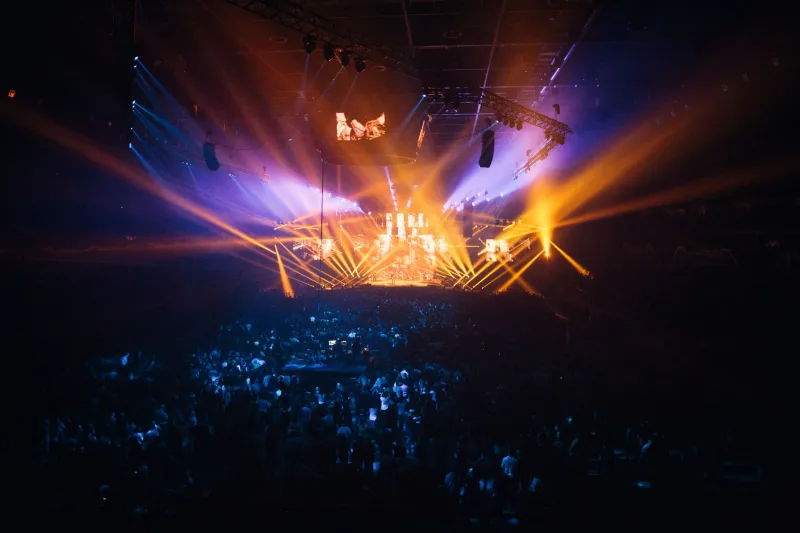
At 9:47 p.m. on a Saturday in 2026, the show is technically over. The band has left the stage, the house lights are still down, and the jumbotron has switched from a slow-motion close-up of the lead singer to a question: Pick the last song. A QR code pulses in the corner. Within seconds, thousands of phones lift into the air like a field of tiny rectangular lighters. The encore has become a group project, and nobody in the building is pretending otherwise.
For decades, the encore was theater. The artist walked off, the crowd screamed, the artist walked back on, and everyone agreed to act surprised. In 2026, that ritual still exists, but it has been rewired. Fans do not just ask for a song anymore. They vote on it, watch the tally climb in real time, and treat the final ten minutes of a concert like a co-writing credit they earned with their ticket stub.
From Bonus Round to Shared Credit
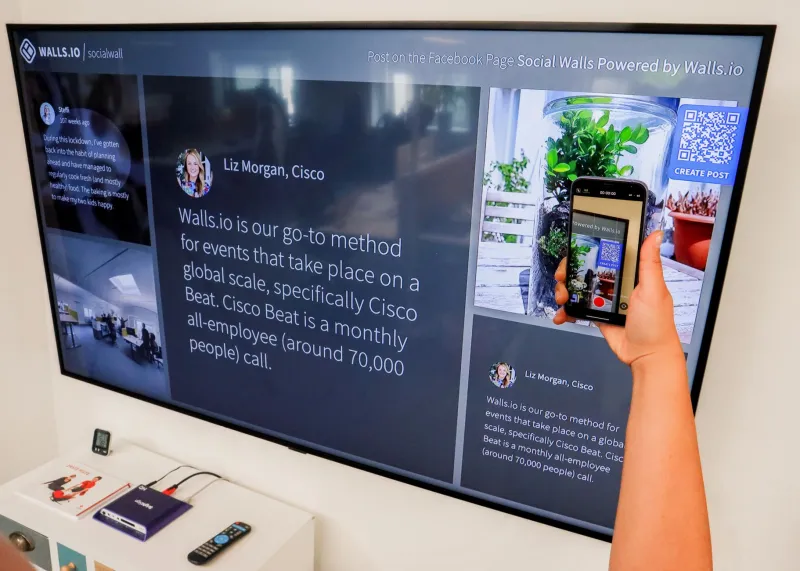
The shift is partly technological and partly emotional. Setlist apps, tour-specific fan hubs, and arena-ready voting platforms have made it easy for artists to hand over a small but meaningful piece of the finale. A QR code on the screen is the low-friction entry point. A fan scans it, picks from a short list, and sees the results move. No download, no login, no scavenger hunt through a merch line. The lighting rig does the rest, shifting colors as the vote swings.
But the real change is in how audiences read the gesture. An encore used to be a bonus. Now it feels like a contract. If the crowd gets to choose, the last song becomes a shared memory instead of a pre-approved victory lap. Fans post screenshots of the vote. They argue about whether the deep cut is a waste of a closer or the whole point. They form tiny voting blocs in group chats. The encore has become content before it has even happened.
How the Vote Actually Works
Most of these votes are not open-ended. Artists are not handing a stranger the aux cord and hoping for the best. The ballot is usually curated: three songs, maybe four, all rehearsed, all ready to go. That keeps the show from turning into a request line with a lighting budget. The band still knows the arrangement. The production still knows the cues. The vote adds a fork in the road, not a whole new map.
The mechanics vary by tour. Some shows use a simple scan-and-tap page. Others route the vote through a setlist app that fans already use to track what was played the night before. A few artists have leaned into the visual drama, letting the crowd watch a bar graph rise on the side screens while the crew waits in the wings. The countdown is part of the show. The uncertainty is the point.
There is also a practical limit. Arenas are big, cell service is uneven, and not everyone wants to spend the encore staring at a phone. Smart tours account for that. They keep the window short, the options clear, and the result readable from the nosebleeds. The best versions feel like a stadium-wide shrug that turns into a decision. The worst versions feel like a homework assignment with a bass drop.
The Fans Treat It Like a Co-Write
On TikTok and in group chats, the fan-voted encore has become its own genre of speculation. Before the show, fans rank the likely choices. During the show, they post the QR code with captions like do not let them play the single again. Afterward, they clip the moment the winner appears on screen and the crowd reacts. The encore is no longer just the last song. It is a mini-campaign with a deadline.
That energy has changed the way fans talk about setlists. A song requested by a crowd used to be a nice surprise. A song voted in by a crowd feels like a win. It carries bragging rights. It also carries a little bit of pressure, because the artist has to make the choice feel earned. If the crowd picks the ballad and the artist visibly wanted the banger, the whole thing can curdle. The best artists treat the vote like a conversation, not a poll they are forced to obey.
The Artist's Side: Controlled Chaos
For the people onstage, the fan-voted encore is a balancing act. It has to feel spontaneous without actually being chaotic. Crews still need cues. The lighting director still needs a heads-up. The singer still needs to know whether the next song starts with a piano or a count-in. That is why so many tours keep the ballot tight and the transition rehearsed. The vote is real, but the safety net is professional.
Artists have also gotten better at framing the result. A vote is not a demand. It is a signal. Some performers lean into the drama, reading the winner like a weather report. Others keep it loose, joking that the crowd has terrible taste and playing the song anyway. The tone matters. If the artist seems annoyed, fans feel tricked. If the artist seems genuinely game, the room turns into a co-op.
Why It Hits in 2026
The timing makes sense. Concerts are expensive, travel is a commitment, and fans want more than a passive experience. They want proof that their presence changed something. A fan-voted encore is a small, contained way to deliver that proof. It does not require a meet-and-greet or a VIP package. It just requires a phone, a QR code, and a crowd willing to yell about the result.
It also fits the way pop culture moves now. Everything is a live tally. Everything is a poll. Everything is a chance to weigh in before the moment closes. The encore has caught up to the rest of the internet. The last ten minutes of a show are no longer a victory lap. They are a tiny civic event with a backbeat.
At AYABAMBI, we have watched enough 2026 tours to know the difference between a gimmick and a ritual. The fan-voted encore is still new enough to feel a little unsteady, but when it works, it works loudly. The crowd scans. The bars move. The artist leans into the mic and says the name of the song like it was always the plan. Everyone knows it was not. That is the whole charm.