Press Play Already: How Pop Learned to Skip Its Own Intro
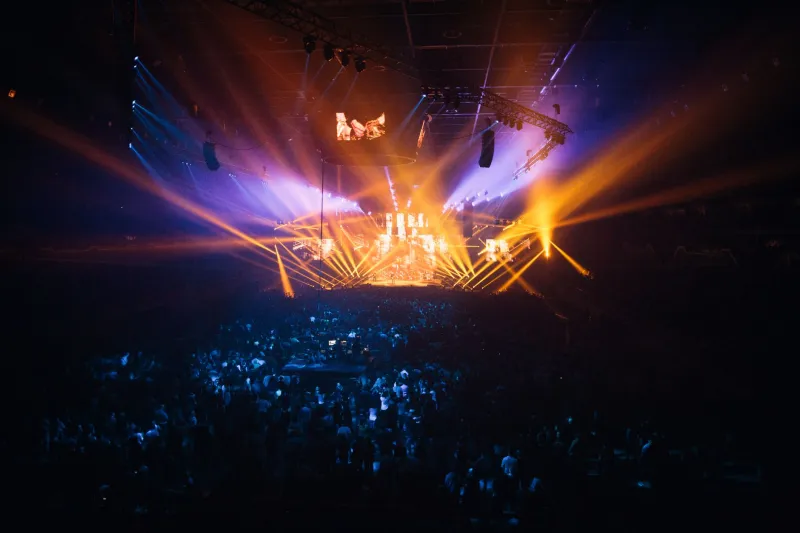
There used to be a ritual to pressing play. A low synth hum. A drum fill. Maybe a whispered count-in, a distant crowd, or four bars of moody guitar that told you where the song lived before anyone opened their mouth. Now? By the time your thumb hovers over skip, the chorus has already come and gone. Pop has learned to skip its own intro, and it is not being subtle about it.
This is not a boomer complaint about kids these days. It is a structural shift you can hear across US Top 40, Spotify's Today's Top Hits, and the TikTok Billboard chart. The hook is no longer the destination. It is the welcome mat.
The Hook Is the New Intro
Listen to recent chart hits and count the seconds before the payoff. Sabrina Carpenter's 'Espresso' opens practically mid-smirk. Shaboozey's 'A Bar Song (Tipsy)' gets to the singalong before you've locked your phone. Benson Boone's 'Beautiful Things' leads with the vocal drama, not a scene-setting instrumental. These are not outliers. They are the blueprint.
Producers and songwriters talk about the 'skip window' the way film editors talk about the first ten minutes. Streaming platforms show artists where listeners bail. Playlists reward completion rates. TikTok rewards a recognizable clip in the first second of a video. So the chorus—or a chorus-sized moment—gets dragged to the front, sometimes before the first verse has had a chance to breathe. One pop producer described the modern brief to me as 'make it sound like the song is already happening when the listener arrives.' Not wrong. Just different.
What We Lost in the Rush
The intro used to be world-building. Think of the icy pulse before a Pet Shop Boys verse, the guitar shimmer that made a heartland rock anthem feel like a drive at dusk, the weird little studio chatter that made an album opener feel like a door creaking open. Those moments were not filler. They were pacing. They told your body how to feel before your brain caught up.
Now, mood pieces are endangered. Album intros—the ones that used to set a scene for forty-five minutes—are increasingly treated as skippable assets. Why spend ninety seconds on atmosphere when the algorithm wants a hook in the first seven? It is efficient. It is also flattening. When every song starts at a ten, there is no climb. No suspense. No reward for patience.
The Producer's Math
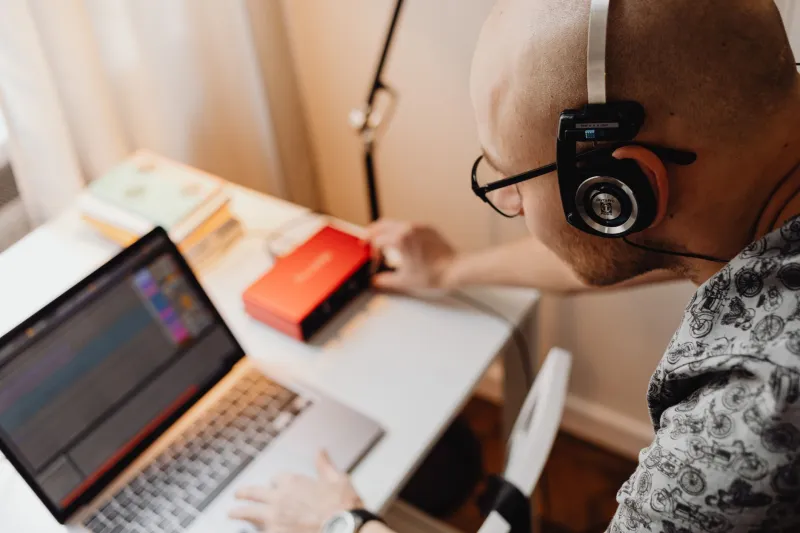
The shift is not just artistic instinct. It is math. Labels A/B test openings. Song doctors get hired to 'fix' the first thirty seconds. Writers stack the pre-chorus so the chorus arrives early, then repeat it before the second verse. In interview clips and panel talks, producers openly describe writing sessions that begin with the drop, the hook, or the TikTok moment—then build backward.
That backward engineering can be thrilling. A great front-loaded song feels like a friend grabbing your wrist and pulling you onto the dance floor. But it also creates a weird sameness. When every track sprints to the same payoff, the differences between artists start to blur. You remember the hook. You may not remember the world around it.
Fans Are Split, Obviously
Scroll through fan reactions and you will find both camps. Some listeners love it: no wasted time, no filler, no waiting for the good part. Others mourn the lost art of the build. On Reddit and TikTok, fans make edits that stretch intros back out, loop old album openers, and celebrate songs that take their time. There is a whole micro-genre of 'intro appreciation' content—people posting the first twenty seconds of a track like it is a rare artifact.
That tension is telling. Fans want immediacy, but they also want texture. They want the hit, but they miss the hush before it.
Is Efficiency the Enemy?
Not automatically. Pop has always chased a hook. Motown singles got to the goods fast. Punk did it in ninety seconds. The difference now is scale and feedback speed. Streaming data and social clips turn every opening into a testable product. That can make songs tighter, smarter, and more respectful of a listener's time. Instant gratification is not a crime.
The real loss is range. Not every song should start at the chorus. Some should creep. Some should brood. Some should make you wait until the bridge for the release. When the intro dies, pop loses one of its most underrated tools: suspense.
The Case for the Slow Burn
There are still hits that build. There are still artists who trust the long way in. But they are swimming against a current that rewards instant recognition. The question is not whether front-loaded pop is good or bad. It is whether we can keep both modes alive—the sprint and the slow burn—without treating patience like a bug.
Because pop culture blooms loud, sure. But even loud needs a breath before the drop. If every song starts at the payoff, we may wake up one day and realize we have forgotten how to wait for anything at all.