Dressing Rooms With Photosynthesis Requirements: The Quiet Rise of the Tour Rider Plant Clause
There's a page in most major tour riders these days that nobody talked about five years ago. It comes after the catering specs and before the security requirements, and it reads less like hospitality and more like a horticultural lease agreement. Humidity ranges. Light exposure windows. A named point of contact responsible for watering. One tour manager we spoke to called it "the green rider," and she wasn't being cute — she was being literal.
The Rider Used to Be About Snacks. Now It's About Soil.
If your only reference for tour riders is the mythical bowl of M&Ms, prepare to feel old. The modern rider for an arena-level pop act can run forty pages, and tucked inside a growing number of them are demands that would make a botanical garden blush: a specific number of rare houseplants in the lead dressing room, an orchid display that must be misted on schedule, and — this is real — a clause stating that if a plant arrives damaged or dying, the venue covers a replacement at full retail.
One plant rental company in Los Angeles, which asked not to be named because, quote, "the clients like their greenery discreet," told us they now service roughly a dozen major tours a year. Their inventory travels in padded crates. Their techs ride the bus. "We ship a monstera the same way a lighting company ships a follow spot," the owner said. "Cradated, insured, and signed for."
Why Would a Pop Star Care About a Fern?
The cynical read is that this is pure aesthetic control — the dressing room as content set. And sure, that's part of it. Every mirror selfie, every pre-show TikTok, every "get ready with me" clip shot in a green room now doubles as brand material. A sad plastic ficus reads as a Holiday Inn. A wall of trailing pothos reads as an era.
But the people actually doing this work push back on the idea that it's all for the camera. "Half my artists genuinely can't walk into a sterile room," one longtime tour manager told us. "They've spent two years on a bus. The plants aren't decoration, they're a nervous system thing." She described an artist who travels with a small ZZ plant — nearly indestructible, she noted — because it's the one constant from city to city. "Everything else changes. The plant doesn't."
There's research to back the vibe, too. Studies on biophilic design have repeatedly linked indoor greenery to lower stress markers, and anyone who's spent eight hours in a concrete convention center knows the feeling of a room with nothing alive in it. Production crews, the people who build these worlds, have started treating greenery as infrastructure rather than garnish.
The Logistics Are Genuinely Absurd
Here's where it gets fun. A pop tour hits twenty-five cities in three months. You cannot — legally, in some cases — haul certain live plants across state lines, let alone international borders. Agriculture regulations are no joke, and customs officials in Australia and the UK will confiscate greenery without the right paperwork faster than you can say "biosecurity."
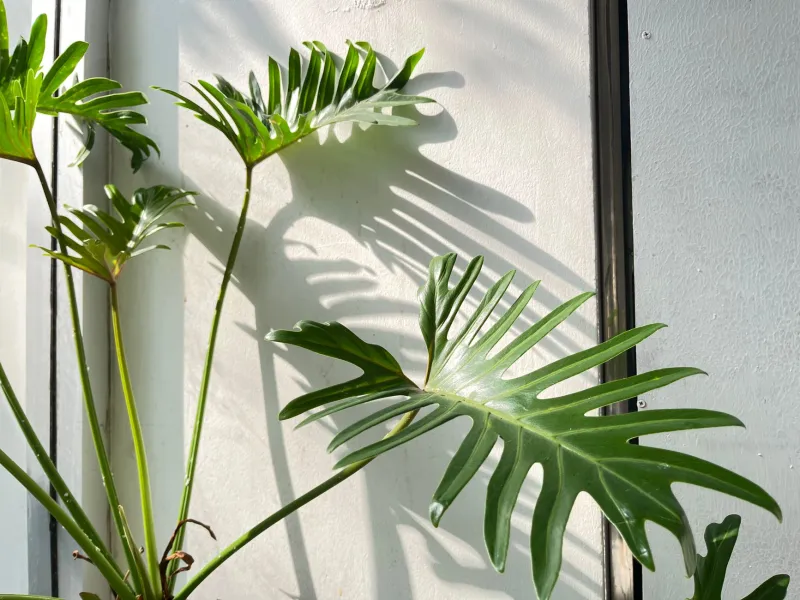
So the industry adapted. Regional plant vendors now fulfill riders city by city, working off a spec sheet that travels with the production. The rental company builds the look once — say, a specific ficus lyrata, six feet, three trunks — and their counterparts in each market source a match. It's the same franchise logic that keeps the coffee tasting the same in every airport, applied to foliage.
And the humidity specs? Not a diva demand. Orchids backstage in an arena that seats eighteen thousand people are sitting in what one tech described as "a dehumidified desert." So the riders started including numbers. Sixty percent relative humidity. No direct HVAC airflow. A watering schedule pinned to the dressing room door, because — and this came up in multiple interviews — stagehands were overwatering things out of politeness.
The Mood Board Industrial Complex
Step back and the plant clause is really a symptom of something bigger: pop's full commitment to world-building. We're in an era where the album rollout is a visual universe, the stage design is a narrative, and the merch drop is a collectible economy. The dressing room is just the last unbranded space — and a well-placed fiddle-leaf fig closes the loop.
It's also, if we're honest, a mood. After a few years of maximalist eras and hyper-curated everything, a little life backstage reads as intention. Greenery signals taste without shouting. It photographs well under any lighting rig. And unlike a scented candle, it can't trigger anyone's allergies in the front row.
The next time a tour rolls into your city, know this: somewhere beneath the stage, in a hallway you'll never see, there's probably a ficus that flew coach-adjacent, has a caretaker on payroll, and cost more than your rent. It has one job — look alive when the camera comes out — and honestly? It's booking.
Welcome to the green room. Emphasis on green.