The $90 Hoodie Problem: Merch Replaced the Album and Nobody's Mad About It
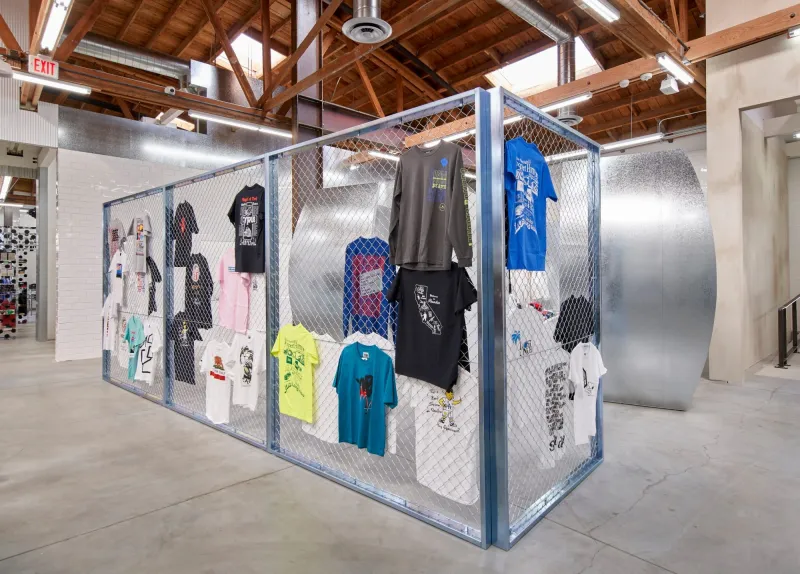
Photo: concert merchandise hoodie display streetwear pop up shop, via i.pinimg.com
Let's do the math on a modern concert. Face value for a mid-tier arena show: maybe $85 after fees. The hoodie at the merch table: $90, cash or card, no haggling. And here's the kicker — people are buying the hoodie and skipping the show.
If that feels backwards to you, congratulations, you've noticed the biggest quiet revolution in the music business. The album used to be the sacred object. Now it's the hoodie. And honestly? We're not sure it's a bad thing.
When the T-Shirt Became the Product
There was a time when merch was an afterthought — a folding table by the bathrooms, a rack of Gildan tees with a date on the back. You bought one out of obligation, wore it to the gym, and forgot about it.
That era is dead. Somewhere between Kanye's Yeezus tour (designed in collaboration with high-fashion names) and the rise of the online-only drop, merch stopped being a souvenir and started being the point. Artists now hire actual fashion designers, stage photoshoots, and treat a tour's apparel line with more care than the tour's setlist.
The numbers back it up. For most touring acts, merchandise is the highest-margin revenue stream in their entire operation — better than streaming, better than ticket splits, better than vinyl. When an artist sells out a pop-up in twenty minutes, that's not fan service. That's a fashion house with a discography.
Scarcity Is the Whole Business Model
Here's where it gets interesting from a design perspective. The modern merch drop borrows every trick from streetwear: limited quantities, timed releases, no restocks, and just enough ambiguity about whether there'll be another chance.
The playbook is pure Supreme. Drop the collection. Let it sell out. Watch resale prices triple on Grailed and StockX. Let the scarcity do the marketing for you. By the time the tour moves to the next city, the hoodie isn't merchandise anymore — it's a collectible with a street price.
And the fashion world noticed. When a luxury house collaborates with a pop star on a capsule collection, nobody blinks anymore. The line between "artist merch" and "fashion brand" has dissolved completely. Some of the best graphic design coming out of American music right now isn't on album covers — it's on boxy-fit tees and embroidered crewnecks.
The Album Used to Be the Status Symbol
Here's the cultural shift that fascinates us. Owning the record — the physical artifact, the vinyl, the CD tower in your bedroom — used to signal devotion. You didn't just listen to the artist. You had them.
Now? Streaming made music universally accessible, which paradoxically made it worthless as a status marker. Anyone can play the album. Not everyone can get the hoodie.
That's why the person wearing a sold-out tour tee to brunch is making a statement the person playing the album on Spotify simply isn't. The merch says: I was there, or I was fast enough, or I paid resale, or I matter in this fandom. It's a membership card you can wash.
Genius Branding or Selling Out?
This is the part where we're supposed to get indignant. The fans pay $90 for a hoodie that cost $12 to make. The artist who built their brand on authenticity is now operating, functionally, as a luxury label. Isn't that selling out?
Honestly — no, and here's why.
First, the money actually goes to artists. In an era where streaming pays fractions of a cent, merch is one of the few revenue streams where the artist keeps a real cut. Buying that hoodie does more for your favorite musician than a thousand streams ever will.
Second, the design quality has genuinely gone up. When artists treat merch as a legitimate design practice — commissioning real artists, printing on quality blanks, thinking about silhouette and colorway — fans get better objects. The best artist merch today sits comfortably next to pieces from actual fashion labels, and it costs about the same.
Third, and this is the part critics miss: nobody's forcing anyone. The concert is the art. The hoodie is optional. If someone wants to spend ticket-plus-hoodie money to feel connected to a moment, that's their call — and culturally, they're getting something real back.
Wear It Like You Mean It
The album didn't die. It just stopped being the thing you show off. The crown jewel of fandom now hangs in your closet, priced like a piece of art and resold like one too.
Is it a little cynical to build a business model on manufactured scarcity? Sure. But when the product is actually good, the design is actually thoughtful, and the money actually reaches the artist — that's not selling out. That's just the culture, priced accordingly.
Now excuse us while we refresh a drop page.