Sweat Now, Viral Later: What Really Happens at 4 A.M. Before That Perfect Eight-Count
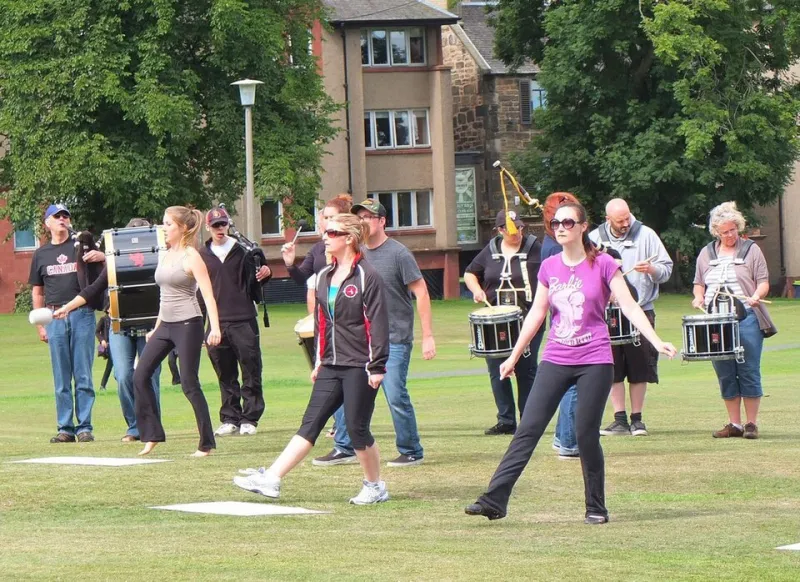
Photo: Jim Barton , CC BY-SA 2.0, via Wikimedia Commons
There's a moment in every blockbuster music video — a shoulder roll that hits on the downbeat, a formation flip that happens in half a second — that sends the internet into a freeze-frame frenzy. What you don't see: the studio at 4 a.m., the Gatorade-sticky floor, and the nineteen takes of the same eight-count before anyone even mentions cameras.
We spent time with working backup dancers and choreographers in LA and New York to pull back the curtain on the least glamorous part of pop's most glamorous export. Spoiler: it involves a lot of Biofreeze.
The Count Never Stops
"People think choreography is, like, vibes," says a touring dancer who's performed behind two different arena-level pop stars (she asked to stay anonymous — most of these contracts have NDAs thicker than the paychecks). "It's math. It's muscle failure. I've learned an entire show in nine days and rehearsed until my knees literally gave out. Nobody posts that."
The timeline is brutal by design. A typical video rehearsal cycle runs two to three weeks, often with twelve-hour days that balloon as the shoot date approaches. Dancers describe the final 72 hours as a blur: staggered call times, one group learning formations while another films reference video on their phones, and a choreographer barking corrections through a laptop speaker because they're simultaneously prepping a different artist's tour.
The Paycheck Problem
Here's the part the industry doesn't love to discuss: for years, rehearsal time was barely compensated, if at all. Union rates for music video work exist, but enforcement is spotty, and "exposure" remains the industry's favorite currency. Dancers routinely front their own costs — physical therapy, knee braces, protein that actual meal-reimbursement budgets don't cover.
The tide is starting to turn. Recent union pushes have put rehearsal pay, rest periods, and injury protections on the table, and a handful of A-list choreographers have publicly committed to paying rehearsal hours at full rate. But the dancers we spoke to say the culture still runs on hustle. "You don't complain," one says. "There are two hundred people who want your spot in that room."
Injury Is the Industry's Open Secret
Ask around long enough and every dancer has a story: the stress fracture performed on through a three-show weekend. The rolled ankle taped up in a parking lot before a live award show. Chronic underinsurance means many dancers treat their bodies like rental cars — drive it hard, deal with the damage later.
Physical therapists who specialize in performers say the workload rivals professional sports, minus the sports-medicine infrastructure. "These are elite athletes," one NYC-based PT told us. "They just don't have a team physician. They have a friend who's good with tape."
Why We Keep Watching Anyway
And yet — the output is undeniable. The choreo clip that hits TikTok on a Friday and has 400,000 duets by Sunday? That's weeks of invisible labor compressed into fifteen addictive seconds. The fans who learn routines in their bedrooms aren't just consuming; they're completing a pipeline that starts in a mirrored room at 4 a.m. with six exhausted professionals and a speaker on a folding chair.
So the next time you slow a video down to 0.25x to catch that body roll, maybe send a little respect backward through the timeline. Somebody bled for that downbeat. Somebody's knees are still paying for it.
The move was worth it. Now the paycheck should be too.