From Bedroom to Billboard: The Teen Editors Quietly Running Pop's Visual Culture

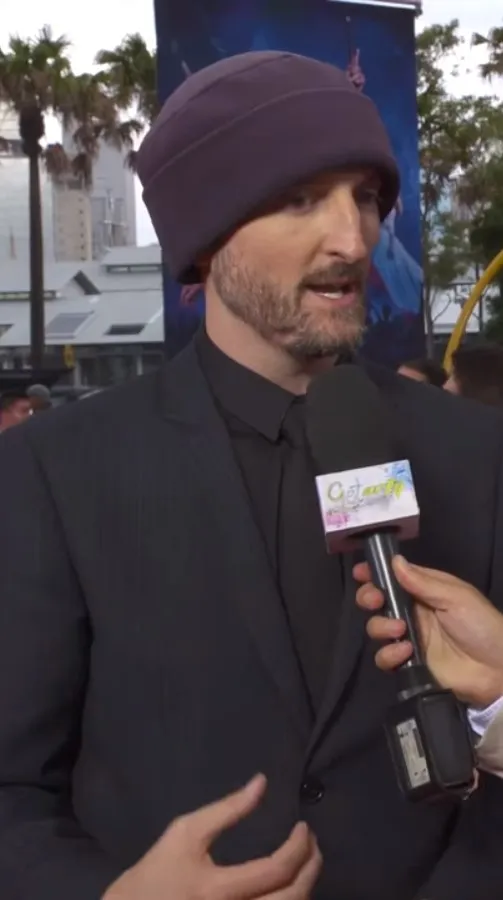
Photo: 立場新聞, Copyrighted free use, via Wikimedia Commons
There's a clip you've probably seen. Chaeryeong from ITZY, caught mid-chorus, slowed down, color-graded to look like a dream you had in 2013, set to a sped-up version of a song that isn't even hers. It has millions of views. Nobody at JYP made it. A teenager in Ohio did, on a laptop older than some of their followers.
Welcome to the fan edit economy — the most underrated talent pipeline in pop music right now.
The Fancam Industrial Complex
Fan edits aren't new. Tumblr users were stitching together Harry Styles gifs a decade ago. What's new is the scale and the stakes. TikTok's algorithm doesn't care if you have a film degree or a ring light; it cares if your 12-second recut stops a thumb mid-scroll. Suddenly, a bedroom editor in suburban Texas can out-perform an official music video.
And the industry noticed. Fast.
"I started making fancams of K-pop girl groups in 2020 because I was bored," says Mia, 22, who now freelances as a visual editor for a major label's digital team. (She asked us to use a first name only — NDAs are a thing.) "One of my edits for a debut artist did like eight million views in a week. Their label DM'd me. I thought it was a scam."
It wasn't. She's been on payroll, officially or not, ever since. Her story isn't rare anymore. Label social teams now routinely scout edit accounts the way A&Rs scout SoundCloud. If your recut of a Marvel trailer or your Sabrina Carpenter fancam hits, there's a decent chance someone with a corporate email address is already in your notifications.
Why Recuts Hit Harder Than the Real Thing
Here's the uncomfortable part for studios and labels: fan edits often understand the assignment better than the official marketing does.
A traditional trailer sells you the movie. A good edit sells you a feeling — usually nostalgia, usually irony, usually both at once. Editors slow footage to 60% speed, slap on a reverb-heavy slowed version of a track, crush the saturation, and suddenly a three-year-old red carpet clip feels like a lost scene from a movie that never existed. It's emotional engineering, and Gen Z editors are scary good at it.
"We're not editing what happened," one creator told us. "We're editing what it meant."
That's the whole game. A Marvel recut that frames a villain's downfall around a Lana Del Rey lyric will do numbers no press junket ever could, because it gives audiences a story they can feel in half a minute.
The Starter Pack: How Edits Actually Get Made
Thinking about joining the ranks? The barrier to entry is embarrassingly low, which is exactly why the competition is brutal.
The tools: Most editors start on CapCut because it's free and lives on your phone. The serious ones graduate to After Effects, where the real wizardry happens — velocity edits, shake effects, those glitch transitions that make a clip feel like a jump scare. Alight Motion is the middle ground for mobile editors who've outgrown templates.
The sound: Nothing matters more than the audio. A trending sped-up or slowed + reverb track is half your reach. Editors watch audio trends the way traders watch tickers — using the right sound in its first 48 hours can be the difference between 200 views and 200,000.
The format: Velocity edits (where the clip speeds up and slows down with the beat) are the bread and butter. Smooth transitions, color grading that matches a specific aesthetic — think "dark academia," "y2k," "corecore" — and captions timed to the beat. Keep it under 15 seconds. Every time.
The subject: Pick someone with a devoted fandom and an underserved clip library. The biggest accounts got big by editing artists before they were everywhere.
When the Hobby Becomes the Job
The leap from fan to professional is messy. Labels rarely announce these hires, and payment varies wildly — some creators get flat fees, others get retainers, plenty get paid in exposure (which, as always, doesn't cover rent).
But the trajectory is real. Editors who built followings recutting trailers have gone on to direct lyric videos, cut official social campaigns, and in a few documented cases, shoot music videos outright. The skill set translates: pacing, taste, and an instinct for what makes people hit replay.
The irony is delicious. Pop culture's most influential visual storytellers right now aren't in Los Angeles conference rooms. They're in bedrooms, working for free, on software they learned from YouTube tutorials, recutting content that studios already paid millions to produce.
The studios figured it out eventually. The smart ones stopped suing the energy and started hiring it.
So the next time an edit makes you feel something at 1 a.m., check the handle. That's not a fan. That's the future of the industry, and they're probably seventeen.