The Monstera Economy: When a Pop Star's Plant Shelf Becomes a Sales Forecast
Somewhere in the Inland Empire, a nursery owner is watching a lyric video on her phone and adjusting next week's order of string-of-pearls. She's not a superfan. She's a supply chain analyst now.
That's the strange reality of pop's leafiest crossover era: houseplants have quietly become the most unpredictable — and most profitable — piece of unofficial merch an artist never meant to sell.
The Blur That Broke the Supply Chain
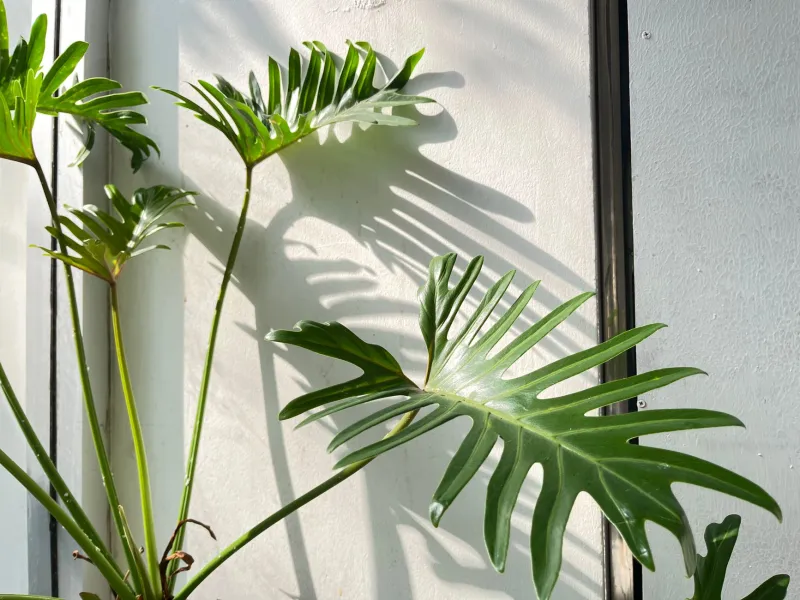
It started, like most things, with a background detail. A behind-the-scenes clip posted at 11 p.m. showed a dressing room crowded with ferns and a monstera taking up half the frame. By the time the sun came up, three independent plant shops on the East Coast had sold out of every Swiss cheese plant in stock. One owner told us she rang up more monsteras in a single Saturday than she had in the previous two months combined.
Nobody planned it. No brand deal, no affiliate link, no "shop the look." Just a plant that happened to be photogenic, a fandom that happens to be forensic, and a retail pipeline that's learned to move at the speed of a TikTok trend.
#PlantTok Meets Release Week
The mechanics are simple once you see them. An artist posts a plant. The fandom zooms in, screenshots, and identifies the exact cultivar within hours — these are people who can decode a tour rider from a shadow, so a variegated philodendron is nothing. Then the hashtag cycle begins, and suddenly #PlantTok is flooded with "get the look" videos from creators who make their living off cultural spillover.
What's changed is that growers are no longer reacting. They're anticipating.
"We read release calendars the way other businesses read the stock ticker," one wholesale grower outside San Diego told us. "Big album announcement? We bump propagation on anything dramatic-looking. Big statement leaves, unusual variegation. If the vibe of the rollout is soft and acoustic, that's fern season. If it's loud and maximalist, we're prepping a wall of crotons and calatheas."
He calls it "reading the weather." His competitors call it survival.
The Unintentional Influencer Pipeline
Here's the thing that makes this whole economy run: none of the artists are trying. Unlike fragrance deals or sneaker collabs, the plant effect is entirely organic — which is exactly why it works on a generation that can smell a sponsored post from a mile away.
A pop star hawking a perfume reads as advertising. A pop star's unwatered fiddle-leaf fig dying slowly in the corner of a livestream reads as real. And authenticity, as any marketer will tell you, is the only currency that converts in 2025.
The fandoms have adapted too. Identification threads pop up on Reddit within the hour. Fan accounts dedicated solely to "plants spotted in music videos" have amassed followings that rival some regional news outlets. One Instagram page that catalogs greenery in pop visuals told us its DMs get dozens of plant ID requests every time a major artist drops anything.
When the Nursery Becomes a Speculator
The downstream effects get weirder. Rare variegated monsteras — already a speculative commodity in collector circles — now spike whenever one appears in a celebrity's frame. Growers we spoke with described a market that behaves less like agriculture and more like sneaker culture: limited supply, hype cycles, resale markups, and a nervousness about getting stuck with inventory when the trend turns.
"You can over-order," one shop owner in Portland warned. "The internet moves on fast. The week after, everyone's asking about whatever the next artist posted. You're sitting on 40 bird of paradise and nobody wants them."
It's a genuinely new problem for an old industry. Wholesale growers have spent decades planning around seasons and holidays — poinsettias in December, herbs in May. Now they're planning around surprise Instagram Stories. There's no procurement meeting for a pop star's spontaneous pothos purchase.
Why Plants Hit Different Than Merch
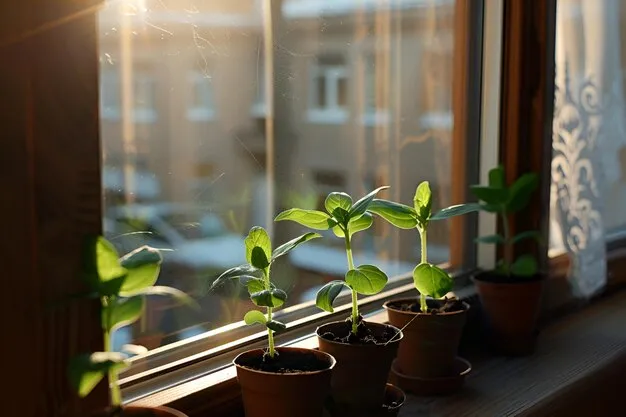
There's a deeper logic to why this works, and it has everything to do with what a plant represents to a fan. A $90 hoodie says "I was there." A monstera says "I live like this" — and it keeps living, growing, putting out new leaves for years after the tour ends.
Plants are the only fandom artifact that gets better over time. They mark time. The pothos you bought after that album drop is now six feet long and trailing across your bookshelf, and every new leaf is a little anniversary. No vinyl pressing can do that.
It also fits the aesthetic moment. The soft, green, sunlit interiors that dominate pop visuals right now — the ones fans are trying to recreate in their own apartments — are built on houseplants the way earlier eras were built on chrome and neon. The plant isn't an accessory to the era. It is the era, rooted and watered.
Reading the Leaves
So what's next? Growers are getting savvier — some now follow fan sleuth accounts, others have informal group chats with shop owners across the country comparing notes on what's trending. A few wholesalers are even building flexible propagation schedules specifically to handle "celebrity spikes."
The artists, for their part, remain mostly oblivious or amused. And that obliviousness might be the whole secret. In a culture where every celebrity endorsement feels focus-grouped to death, the humble houseplant in the corner of a tour bus remains one of the last unfiltered signals in pop.
The next time an artist posts a cluttered studio with a giant monstera dominating the frame, don't just watch the view count. Watch the greenhouses. Somewhere, a grower is already moving inventory — because in this economy, the leaf is the look, and the look is the sellout.
Water weekly. Bloom forever. Stock accordingly.