Who Is She Really? Inside Pop's Obsession With the Alter Ego
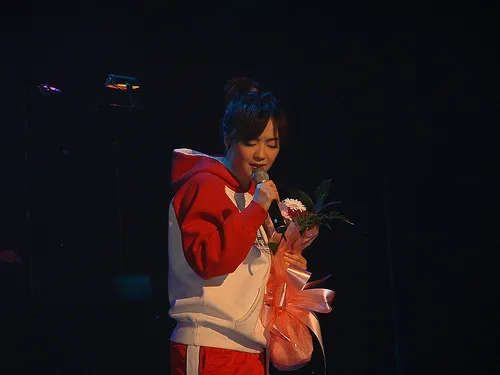
Photo: gun shock, CC BY-SA 2.0, via Wikimedia Commons
Somewhere on the Sunset Strip right now, a 22-year-old singer is rehearsing the way she flips her hair. Not for choreography — for character. The hair flip belongs to someone else, technically. Someone with a name, a backstory, a color palette, and a fanbase that already loves her more than the girl underneath.
Welcome to pop's oldest trick and newest obsession: the alter ego.
Sasha Fierce Started It. TikTok Industrialized It.
Beyoncé didn't invent the persona — David Bowie, Prince, and Madonna all cycled through characters decades earlier — but she branded it. When she introduced Sasha Fierce in 2008, complete with a name, a metal glove, and an origin story, she turned a creative device into a business entity. The message was clear: the persona isn't a phase, it's a product.
Fast forward to 2025, and the machinery got faster. TikTok didn't just accelerate pop cycles; it made character-building a participatory sport. Artists now test personas in real time, posting as their alter ego weeks before the music drops. The character arrives first, racks up views, and clears a landing strip for the songs. It's A/B testing with a wig on.
"The algorithm rewards consistency, and nothing is more consistent than a character," says Los Angeles-based stylist Mara Chen, who has built visual identities for several rising pop acts. "If you're just 'an artist,' every post has to explain you. If you're a character, every post is you."
The Persona Playbook
So what does it actually take to split yourself in two — strategically?
A name that behaves like a brand. It has to be searchable, hashtag-able, and legally clean. Emerging artists describe the naming process as somewhere between naming a baby and naming a startup.
A visual grammar. One hair color, one silhouette, one recurring prop. Chen calls it "the uniform": something fans can recreate in their own videos, which is how characters spread. Sasha Fierce had the robotic glove; today's personas have signature eyeliner looks that spawn a thousand duets.
A voice — literally. Vocal coaches report more clients asking not just to sing better, but to sing different. Slightly lower register, different phrasing, a verbal tic. The character has to survive a 15-second clip without a costume.
An exit ramp. The best personas are built with a finale in mind. Eras end. Characters retire. The smartest artists treat the alter ego like a limited series, not a lifetime contract.
When the Character Eats the Artist
Here's where it gets complicated. Fans don't just accept the persona — sometimes they prefer it. And that preference has teeth.
Artists who've lived through it describe a strange grief: their most authentic work underperforms because it doesn't star the character fans fell for. One emerging singer, who asked to remain anonymous, put it bluntly: "I wrote a whole ballad about my mom. Crickets. Then I posted a 20-second clip as my alter ego lip-syncing it, and it did 2 million views. What am I supposed to do with that information?"
The answer, increasingly, is both. The persona sells the rollout; the unmasked artist sells the deluxe edition. It's a two-lane strategy — spectacle for the feed, vulnerability for the vinyl pressing.
Is It a Gimmick or a Coping Mechanism?
The uncharitable read is that alter egos are a marketing crutch for artists without a point of view. The generous read — and honestly, the more accurate one — is that personas are a pressure valve. Pop asks 24-year-olds to be relatable, aspirational, mysterious, and overexposed all at once. A character is a firewall. You can be hated as her and survive as you.
Beyoncé eventually folded Sasha back into herself, saying she no longer needed to channel her. That's the arc most personas hope for: a character you outgrow in public, on purpose, with everyone watching.
In 2025, the alter ego isn't a gimmick. It's pop's most underrated piece of infrastructure — a way to be two people in an industry that only pays for one. And honestly? The girl doing the hair flip might be the realest one on stage.